The people who write in about this are not asking for a short trip. They are asking whether a particular trip they already have in mind survives being compressed into dates they do not control. A school break in a district that sets its own calendar. A shift rotation with four days off every second week and nine days off twice a year. A partner with a fiscal year end who cannot leave the last two weeks of a month. In every case the dates came first and the trip has to fit around them, which is the reverse of how most trip planning works.
The thing people get wrong is almost never the destination. It is the arithmetic of the first and last day. A week is seven days, but a week that starts with a 6:00 a.m. departure from Rochester, one connection, an eight hour flight, a five hour time change and an arrival at a hotel at 9:00 p.m. local is not seven usable days. It is five and a half, and the first of those five and a half is spent sleeping badly. Add the same in reverse and a person who thought they had a week has four full days on the ground. That gap between the calendar week and the usable week is where most of the disappointment in short trips actually comes from, and it is arithmetic, not attitude.
The second thing people get wrong is thinking the fix is to move faster. A seven day itinerary with four overnight stops does not give you more of the place. It gives you three mornings spent packing and three afternoons spent in transit, and it converts your short week into a series of half days. Compression usually means removing things, not accelerating them.
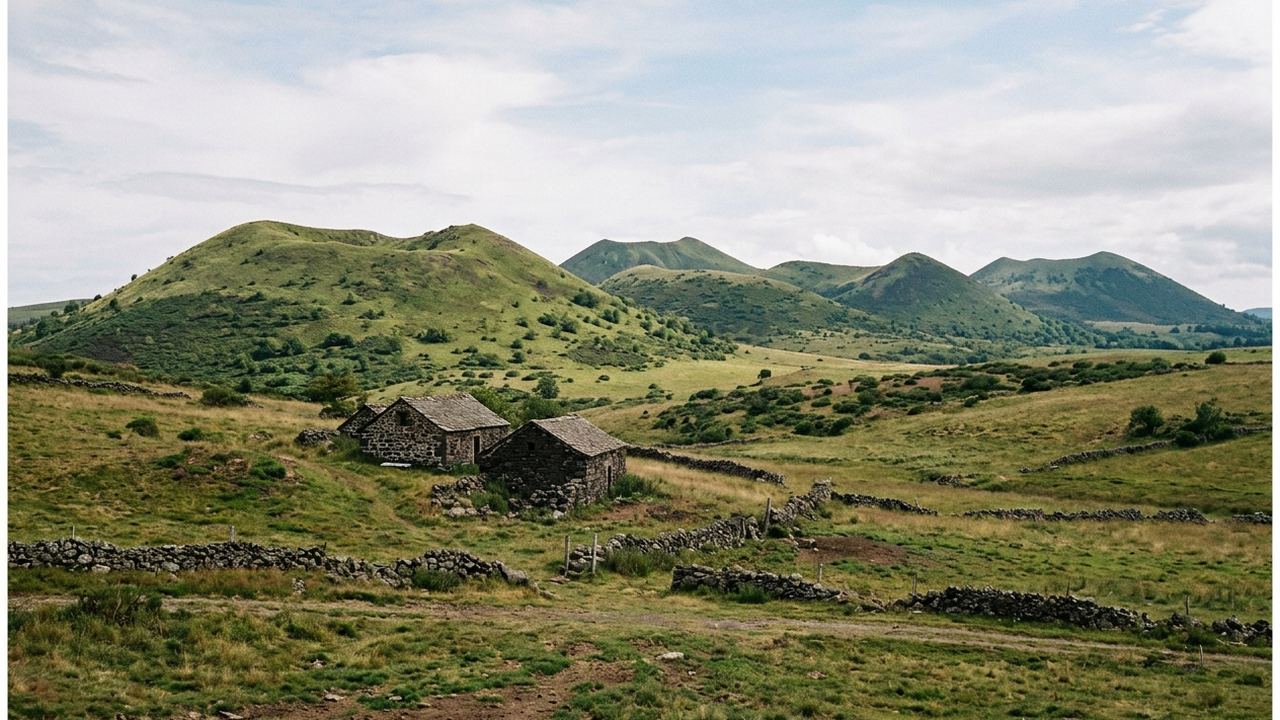
Nine nights in three family run hotels, three nights in each, one under the Chaîne des Puys, one in a spa town below Puy de Sancy and one in the Cantal, with a van carrying the bags between them.
from $3,190 per person
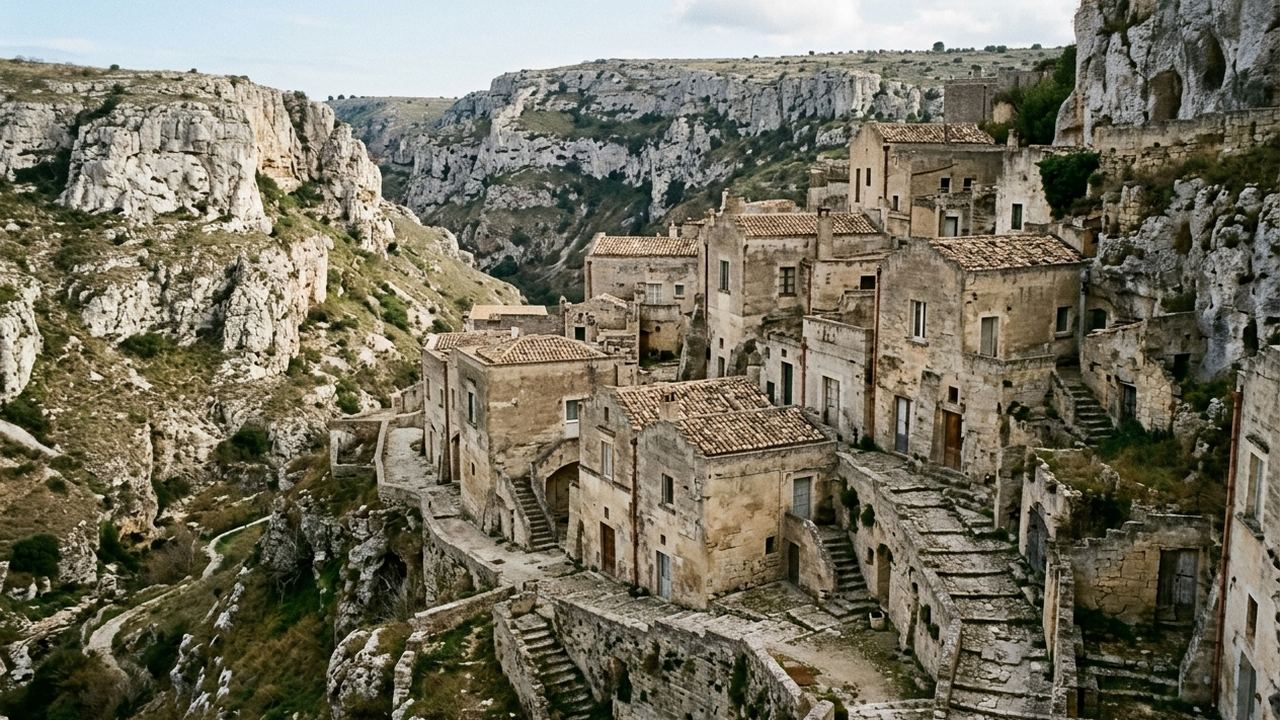
Seven nights in a single cave room in Matera with no repacking, a driver on four of those days who returns you to the same door by evening, and your bags carried up the steps once on the way in and once on the way out.
from $2,390 per person
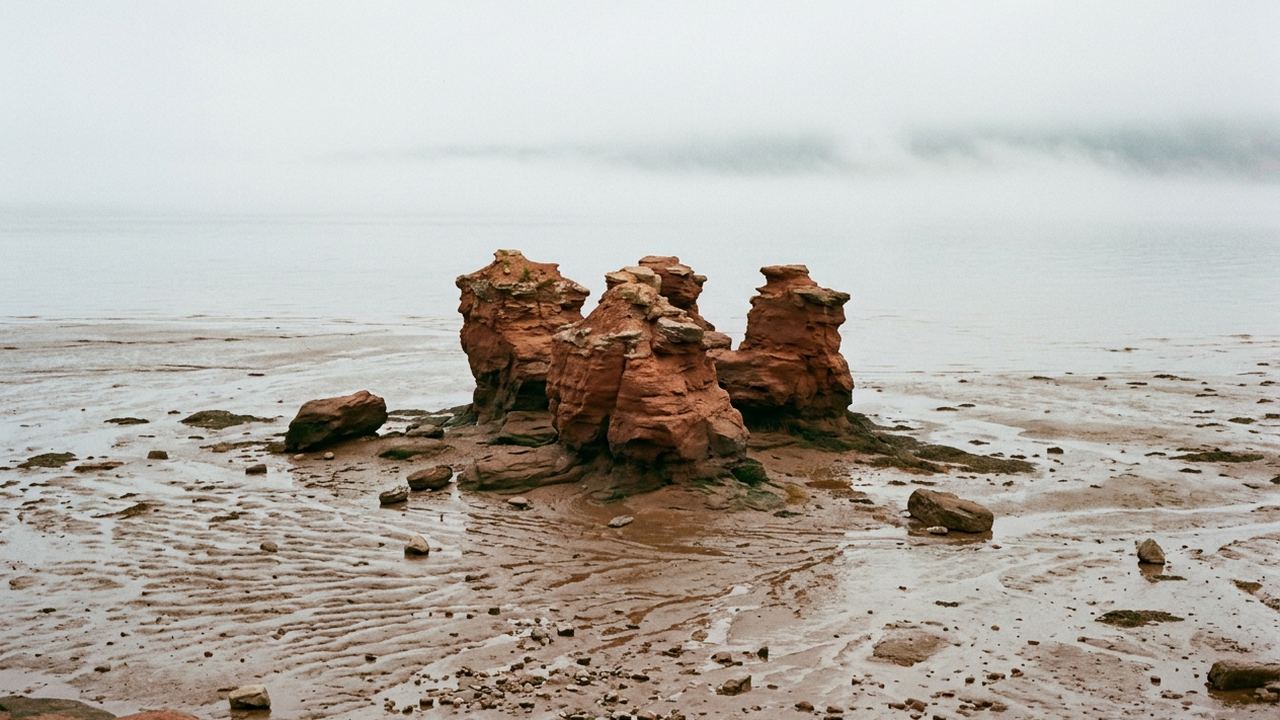
Nine nights in five towns, all of them in small inns or family run motels with private baths, moving by rental car on paved two lane road, an hour to three hours between beds, and you carry your own luggage in and out each time.
from $2,690 per person
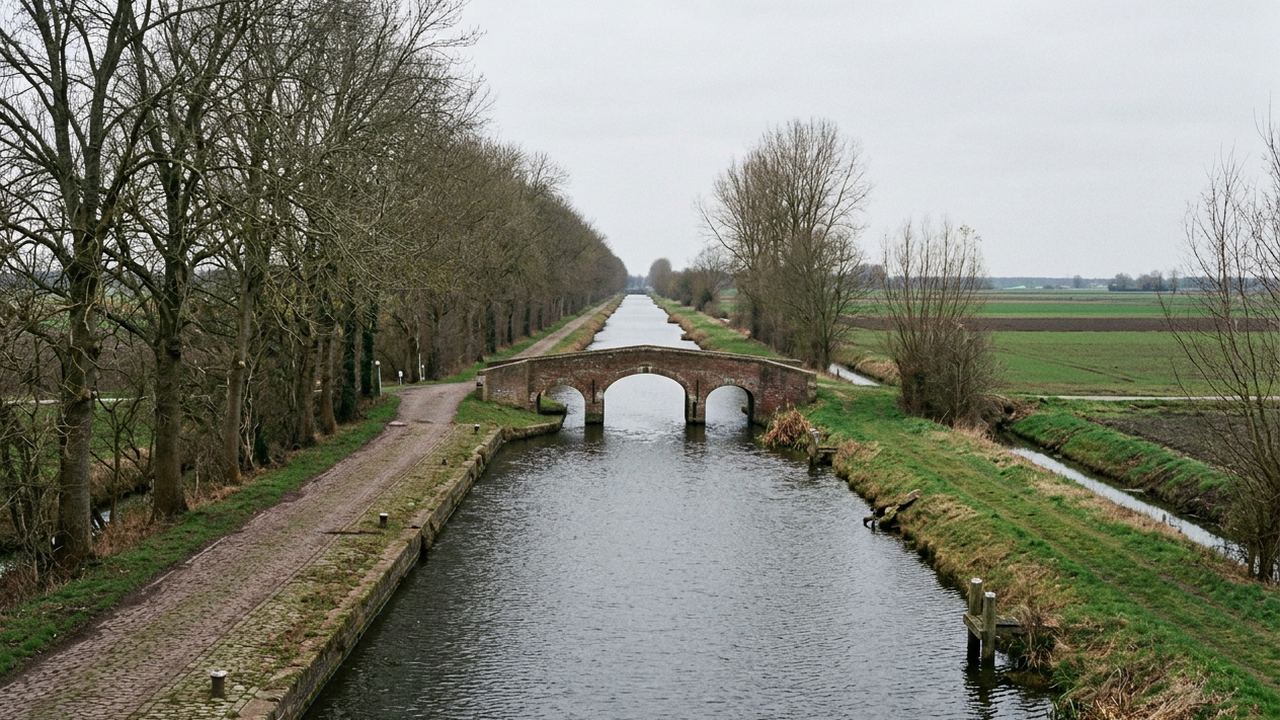
Nine nights across four towns, in family run hotels and one converted brick warehouse, moving between bases by regional train while a van carries the suitcases door to door, with rented bicycles collected and dropped at each base.
from $2,180 per person
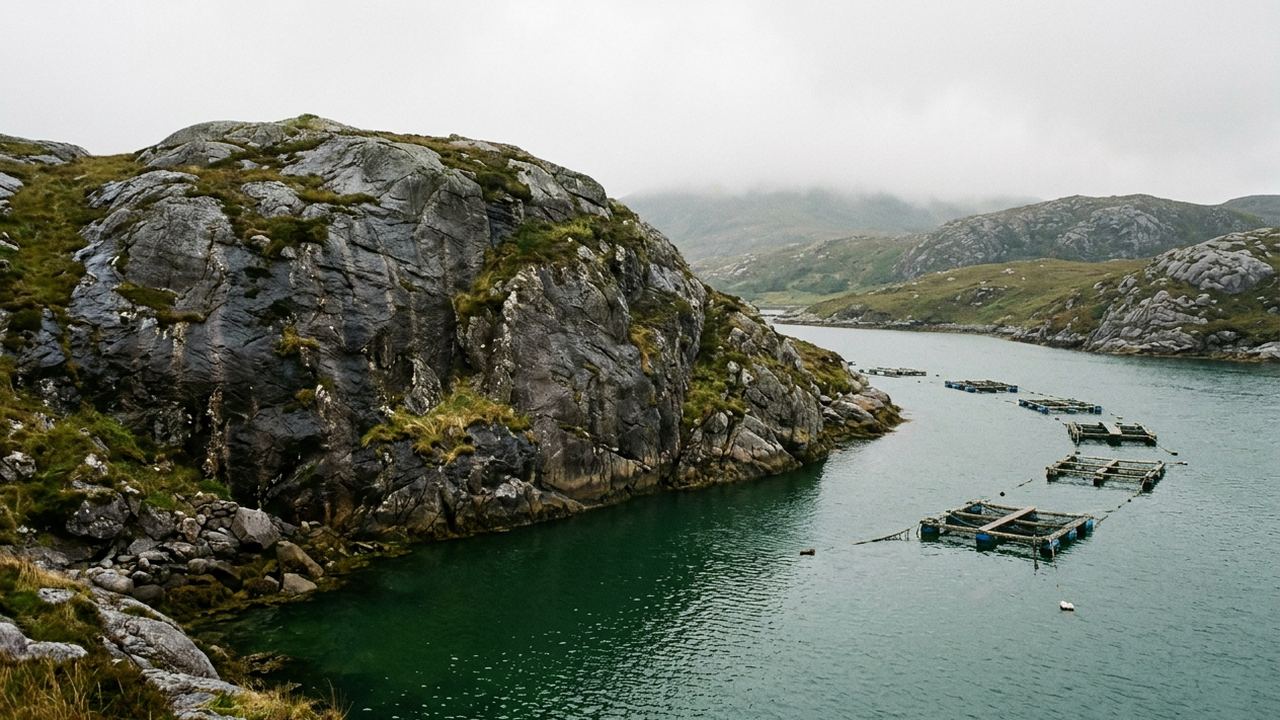
Eight nights in two places, five in a granite house above the Ría de Arousa and three in a small hotel inside the old town of Pontevedra, with a driver moving the bags once, at midday, while you are out on the water.
from $2,540 per person
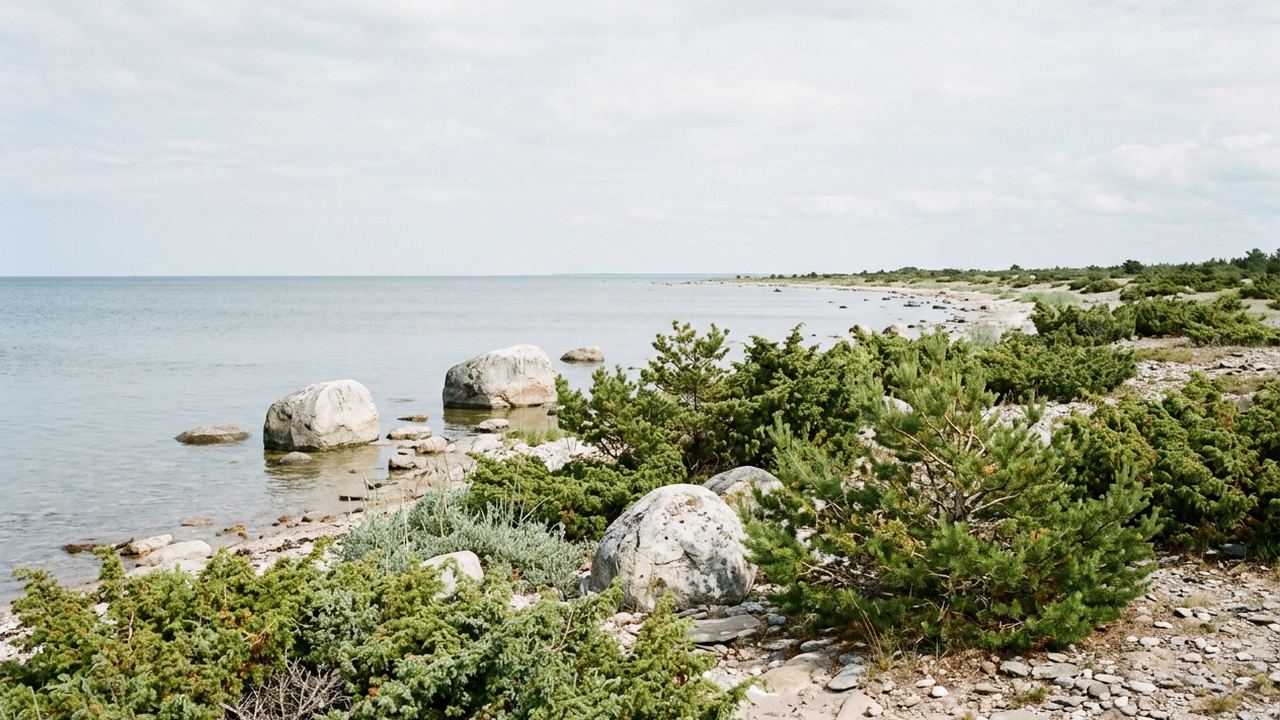
Nine nights in two guesthouses, four nights in the west near Kopu and five in the east near Kardla, both in ordinary double rooms with private bathrooms; a hired car moves the party and the bags between them, and bicycles are delivered to each door.
from $2,180 per person
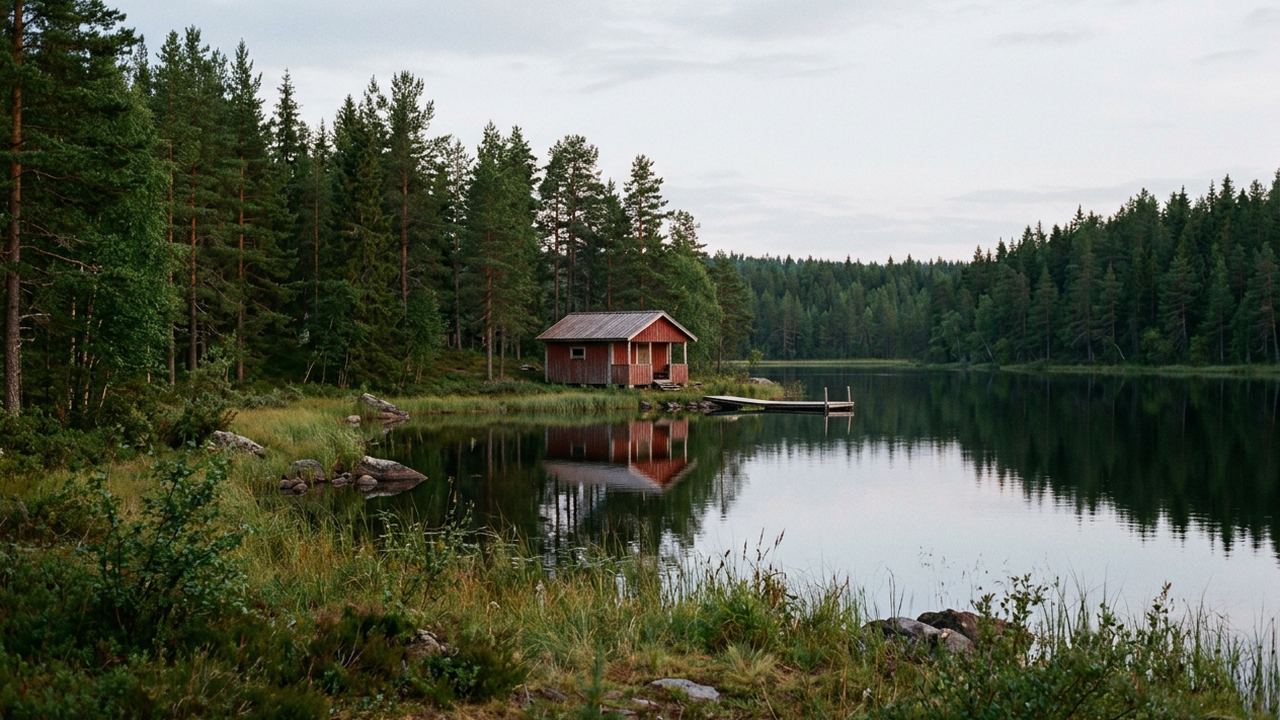
Nine nights: two in a small hotel in Joensuu at either end, seven in a lakeside timber cottage inland, moved between by a rental car you drive yourself, with your luggage staying in that car the whole time.
from $2,180 per person
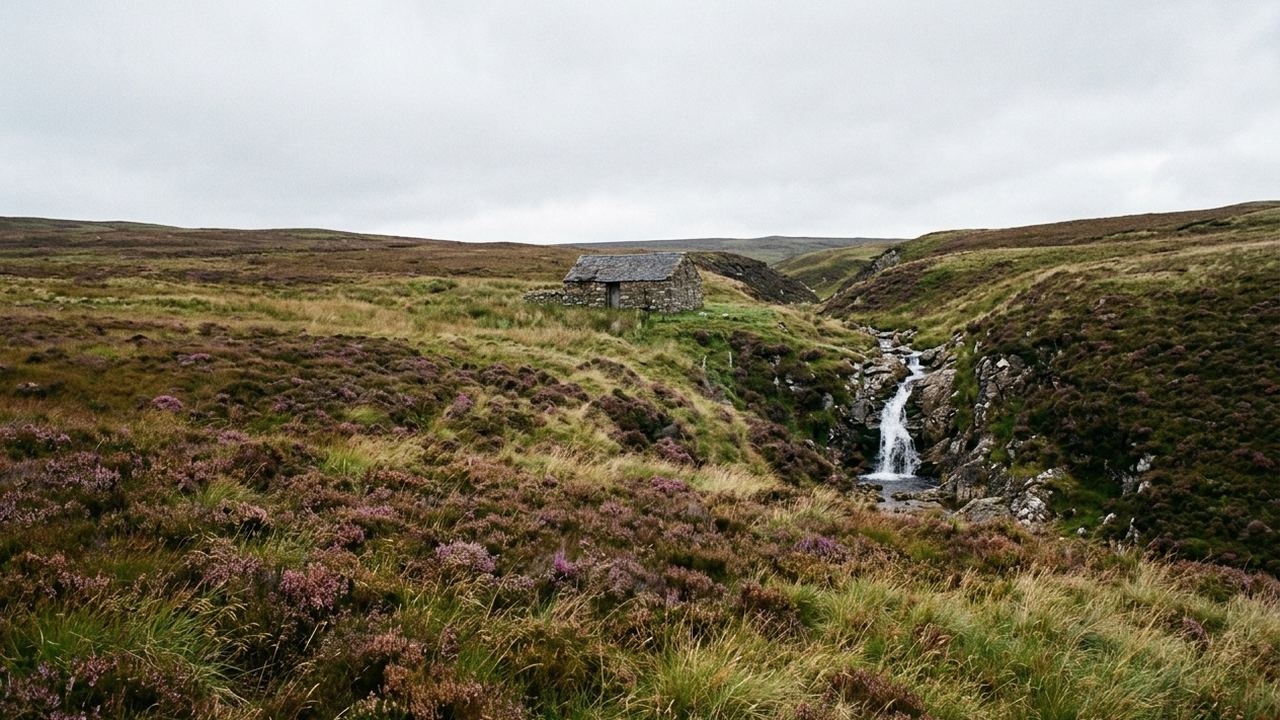
Nine nights in three villages, four nights in the first and two and three after, in family run inns and a converted farmhouse, with a local driver moving the party and the luggage between them so walking days start and end without a pack.
from $2,340 per person
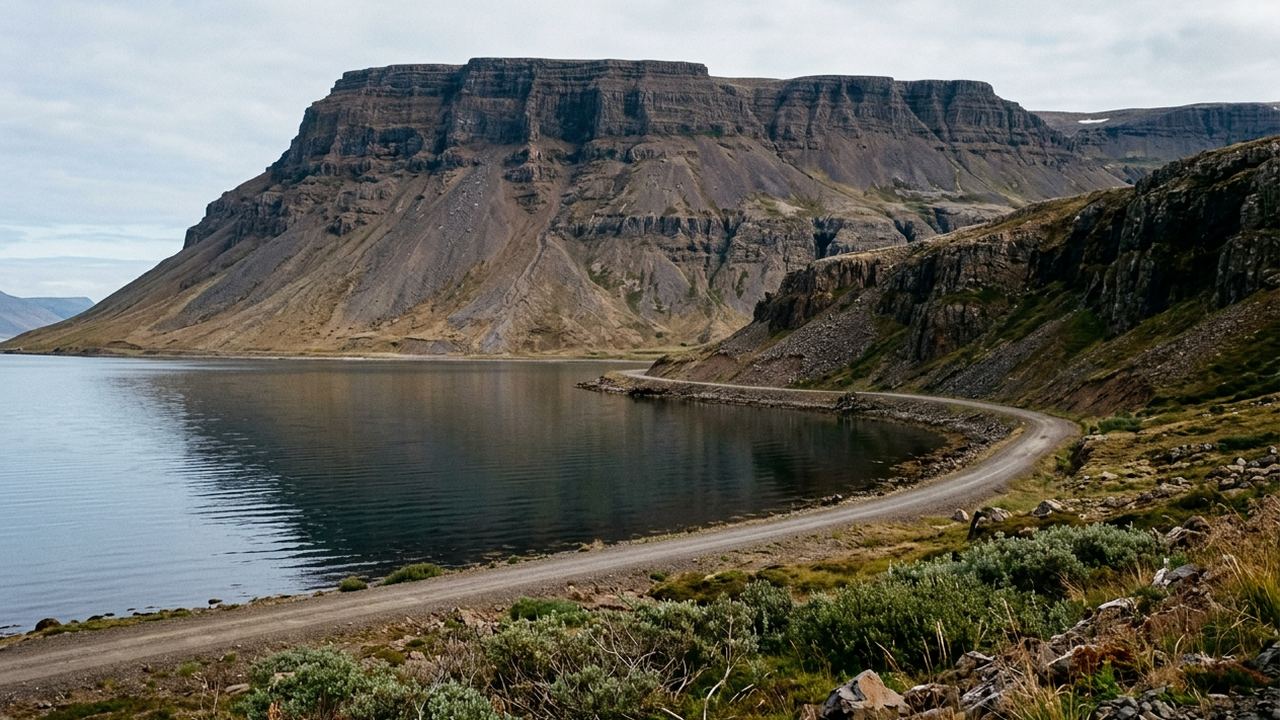
Nine nights in five guesthouses, two of them for three nights each, moving between them in a small rented four wheel drive that you drive yourselves; luggage stays in the vehicle and comes into each house with you at the end of the day.
from $2,940 per person
And the ones that do not, said plainly rather than left off the page:
- bieszczady
- The guesthouses hold rooms in blocks and there are eleven departure weeks in the year, so if your leave is fixed to a single week in July you will probably find it already full.
- costa vicentina
- The window is nine nights and cannot be run in seven, because the two shortest legs are the ones with no road access and no bed in between.
- lake skadar
- Eight nights plus two travel days will not fold into a fixed working week, and the overland arrival most people choose here adds another day at each end.
- salzkammergut
- Nine nights plus two days in the air will not compress into a week: cut it and you spend a third of the trip recovering from the crossing and the rest packing.
- samos
- Nine nights plus a travel day at each end wants twelve days clear, and the connection pattern out of the northeast almost never lets that fold down into a week.
- snowdonia
- Nine nights is the shortest this can run, because two of them are weather reserve and losing them turns the week into a coach tour with wet boots.
- sunnmore
- The two guided walking days need settled conditions and the guides work a rota, so we can usually offer three or four start dates a month and not the specific week you have free.
- swabian jura
- Nine nights is the shortest this works, because two of them are changeover days spent moving rather than walking, and cutting to a week leaves four walking days out of six.
What a week actually buys once the travel is subtracted
The useful number is not the length of the trip. It is the number of days on which you wake up already where you want to be. Call it the ground count. A seven day trip with one connecting flight each way and no time change usually gives a ground count of five. The same seven days with a long haul flight and a six or seven hour time change gives three or four, because the first day is lost to arrival and the second is partly lost to the body catching up. A nine day trip with the same flight pattern gives six, which is a genuinely different trip, and it is why people with nine days should say so in the first line of their request rather than rounding it down to "about a week."
The ground count also decides how many places the trip can contain. Five ground days supports one base, or two if the second is reached by a train under three hours. Three ground days supports one base and nothing else. Six supports two bases comfortably, or one base and one overnight excursion. These are not rules handed down from anywhere; they are what the operating companies build their own fixed departure itineraries around, and when a request asks for more than the ground count supports, the itinerary that comes back has the extra place in it as a bus ride and a photograph.
- Seven days, one connection each way, no time change
- Ground count of five, one base, or two if a short train links them Seven days, long haul flight, six hour time change or more | Ground count of three or four, one base only, and the first morning is not a working morning Nine days rather than seven | Ground count of six, which supports a second base or one overnight away from the first Departure fixed on a Saturday | Often the worst day for connections and the day the fixed departure trips start, so it either fits perfectly or not at all Return must land before a Monday shift | The last night is effectively lost, so plan on the ground count minus one and say the shift time in the request School break shared with a whole district | The dates themselves are the constraint everywhere, so the shape of the trip matters more than the choice of week Two people with two different fixed weeks | The overlap is the trip, and if the overlap is four days the honest answer is a trip that only needs four
Where speed is sold as a solution and does not work
The common non-solution is the multi stop itinerary marketed as a way to see more in less time. Four countries in eight days, five cities in nine. It fails for a specific mechanical reason rather than a philosophical one: every additional overnight stop costs roughly half a day at the departure end and a couple of hours at the arrival end, and those costs are paid out of the ground count, which was the scarce thing to begin with. An eight day trip with four bases has a ground count near zero. Everyone on it is in motion for the whole week and nobody has a single unstructured morning.
The other non-solution is the overnight flight positioned as a free day. It is not free. It costs the night, and it usually costs the following afternoon too, because a person who slept four hours sitting up is not going to do a walking day. Overnight flights are worth taking when the alternative is losing a whole daylight day to the same journey, and they are worth refusing when the trip depends on being functional on arrival. Which of those applies depends on the trip, and it is a question the office will answer specifically rather than in general.
And some trips do not answer this obstacle at all. A journey that needs two days of overland travel at each end, or one that only runs as a fifteen day fixed departure, does not become possible because the dates are firm and the wish is strong. When that is the case the office will say so in the written reply, name the shortest honest version of the thing, and leave the decision alone. It will not substitute a different trip behind your back and let it be discovered on arrival.
From your locked dates to a figure you can hold
Write in with the exact dates, not the approximate ones. The outbound date and the return date, the earliest hour you can leave Rochester on the first day and the latest hour you can land on the last. If a shift or a school start is what closes the window, say the hour it starts. Those two hard edges do more to determine what is possible than anything else in the request, and a figure priced against approximate dates is a figure that changes when the dates become exact.
The request form runs 24/7 and never closes, and whatever comes in is read by a person before the end of that working day. From there both halves of the question go out together: the flight pattern on your specific outbound date, and the operating company's availability on the days that pattern leaves you with. Those two answers have to arrive before anything can be said honestly, which is why a written figure priced against your particular dates runs to two, three, sometimes four working days instead of landing back the same afternoon. What comes back names the ground count out loud, lists what had to come out of the itinerary to fit the window, and gives the price per person with what it includes and what it does not. The final amount is confirmed at the point the reservation is placed with the operating company. No payment is taken here, and no card number is held.