Most of what people carry into Spain does not apply on this coast. The rain figure for Vigo is around 70 inches a year, four times what falls on Madrid, and it does not arrive politely in one season and then stop. The sea in August sits at 61 to 65 degrees, cold enough that you get in once for the story and then sit down again. The building material is granite rather than whitewash, so the towns are grey and heavy and hold the wet, and they look nothing at all like the version of the country that sells calendars.
The photographs also leave out the wind. Rain here often comes in level, pushed off the Atlantic at 30 to 40 miles an hour, and an umbrella is a liability rather than a help. The local answer is a hood and a stubborn attitude toward lunch. And they leave out the tide, which moves about 12 feet on a spring range and decides more of the week than the clock does. The mussel boat goes when the water allows. The women who rake clams work the sand flats for the two hours either side of low water, waist deep, in weather. The quay you walked down at nine in the morning is a different height by four in the afternoon.
The rías are the last thing worth getting straight before you commit eight nights to them. They are not bays. They are river valleys that the sea came up into, which is why the water is deep close to shore, why the shellfish is as good as it is, and why the head of a ría is sheltered farmland while the mouth of the same ría is open ocean, twenty minutes apart in a boat.
- What the week is
- Eight nights in two places, five in a granite house above the Ría de Arousa and three in a small hotel inside the old town of Pontevedra, with a driver moving the bags once, at midday, while you are out on the water.
- What sets it apart
- Santiago de Compostela station is 3 hours 10 minutes from Madrid on the fast line, and the first house is 55 minutes by road from there. The ground is granite, which means wet steps, sloping lanes and quays with nothing to hold. Beds are a converted stone farmhouse with seven rooms and a family hotel with eleven. Boat days run from late March to early November. From $2,540 per person, two people sharing.
- What the figure covers
- The figure covers eight nights in the two houses with breakfast; the second class rail seat from Madrid to Santiago de Compostela and back; the station transfer at both ends and the single move between houses; a full day on a working mussel boat in the Ría de Arousa with the skipper who owns it; a half day on foot through the old town of Pontevedra with a woman who has lived in it for thirty years; two dinners of local shellfish ordered for the table rather than by plate; the crossing to the Cíes islands and the landing count that goes with it, on the day it runs; and a written running order for all eight days, sent to you two weeks ahead.
- What it leaves to you
- Not covered by the figure, the transatlantic flight into Madrid, which runs $620 to $1,180 return from the East Coast depending on the month; a first class rail seat if you want one, about $95 each way above the fare we book; six of the eight dinners, at $28 to $55 a head with wine; every lunch, which here is the large meal and runs higher than dinner; the single room supplement of $610; a hire car for the two free days, from $46 a day plus fuel at roughly $6.40 a gallon; any insurance, which this office does not sell, arrange or advise on; and tips, which are small in Galicia and entirely yours to judge.
- Who this one is wrong for
- Do not book this if stairs are the difficulty. The house above the ría has its rooms on the second and third floors and no lift. The mussel boat is boarded down eight wet steel rungs from a quay that moves with the tide, and there is no other way onto it. The old town of Pontevedra is set granite, uneven, and slick for about four months of the year. A day here is two to four miles on foot, usually on a slope, sometimes in rain coming at you level at 30 miles an hour.
Granite, tide, and a lunch that starts at half past two
The stone runs through everything. Quays, church fronts, field walls, and the hórreos: narrow stone granaries raised on legs, thousands of them still standing in the fields and back gardens, built to keep maize dry in a place where nothing dries. Granite is beautiful and it is also the reason this week has a warning attached to it. Wet granite in the shade does not grip. Lanes in the old towns were cut for carts and drainage rather than for ankles, and the cambers are severe.
Weather here is not really seasonal in the way people expect. It is mild and wet in winter, mild and wet in spring, and mild and mostly dry for about ten weeks in the middle. Frost on the coast is rare and snow is close to unknown. What changes is the volume of water and the strength of the wind. Bring a shell layer that actually seals at the neck, boots with a real sole, and one warm layer for boat mornings, when 55 degrees over water feels like 45.
The shape of the day is Spanish and it catches people out on the first afternoon. Shops close from about two until five. Lunch is the serious meal and it begins at half past two, sits at the table for two hours, and is what the whole town does. Dinner starts around half past nine and is smaller. Two of the eight days are left with nothing in them, deliberately, because the boat, the tide and the weather will rearrange at least one of the others.
Who the eight nights were put together for
This is a trip for people with one fixed stretch of days and no ability to move them, and for parties in which somebody has decided they are not getting on a second aircraft. The fast line puts you in Santiago de Compostela in a little over three hours from Madrid, in a seat, with your bag beside you, and the house is under an hour further by road. It also suits a first attempt at this kind of week: the running order arrives two weeks ahead, somebody meets the train, and nobody has to stand on a platform making a decision on behalf of four other people.
Off season is the other honest fit, and it is worth saying why. The cold months are when the shellfish is at its best and when the towns are working rather than performing. What you lose is the boat: when the swell is up, the day on the water is swapped for the covered market at first light, the smokehouse, and a long lunch. That is a fair exchange for some people and a disappointment for others, which is why it is written down here rather than mentioned on arrival.
Six cells, one for each obstacle, filled where this trip answers. Read the words below rather than the strip; the strip is a shorthand.
- The dates are fixed and short
- answers it. Everything else that answers it
- Somebody will not fly, or not far
- answers it. Everything else that answers it
- The party moves at two speeds
- does not. Nobody has yet found a version of the boat day, the quays or the granite lanes that works for a person who cannot manage eight rungs and a moving gangway, so a party travelling at two speeds will spend most of the week apart. What does
- Nobody has done this before
- answers it. Everything else that answers it
- The free weeks are out of season
- answers it. Everything else that answers it
- One person travelling
- does not. The single supplement is $610 against a $2,540 figure, the boat day is priced per vessel and per skipper rather than per head, and the shellfish here is brought to a table rather than to a plate. What does
The year on this coast, and what each stretch costs you
- Mid January to early March
- The cold water shellfish is at its best and the markets are worth a morning. Half the beach places are shut, rain falls most days, the boat goes perhaps one day in three, and $260 comes off the figure.
- Mid March to late April
- Camellias in the old gardens, the boat days start again around the end of March, and the light is long. Expect four wet days in ten and standing water on the granite. Full figure, easy to book.
- May into the middle of June
- The steadiest stretch of the year. Roughly 60 to 70 degrees, sea still at 57, the rafts working every day, and enough room in the small houses that two rooms can usually be held next to each other.
- Late June and the first half of July
- Long evenings, the inland festivals begin, and the island crossings fill about ten days ahead. The house above the ría is often full at weekends, so arrivals move to a Tuesday. Add $120.
- The last week of July and all of August
- The rest of the country arrives. Island landings are capped by number each day, the wine town fills for its August week, and dinner without a table held is difficult. Add $310.
- September to the middle of October
- The sea is at its warmest of the year, around 65, the crowd has gone home, and the seafood festivals run right through October. Nothing is added to the figure and nothing comes off.
- Late October to the end of December
- Atlantic storms line up one behind the next, gusts pass 60 miles an hour, and the boat is cancelled perhaps one day in three. The Christmas shellfish market is the reason people come anyway, and $220 comes off.
The boat does not always go, and the shellfish is priced like the work behind it
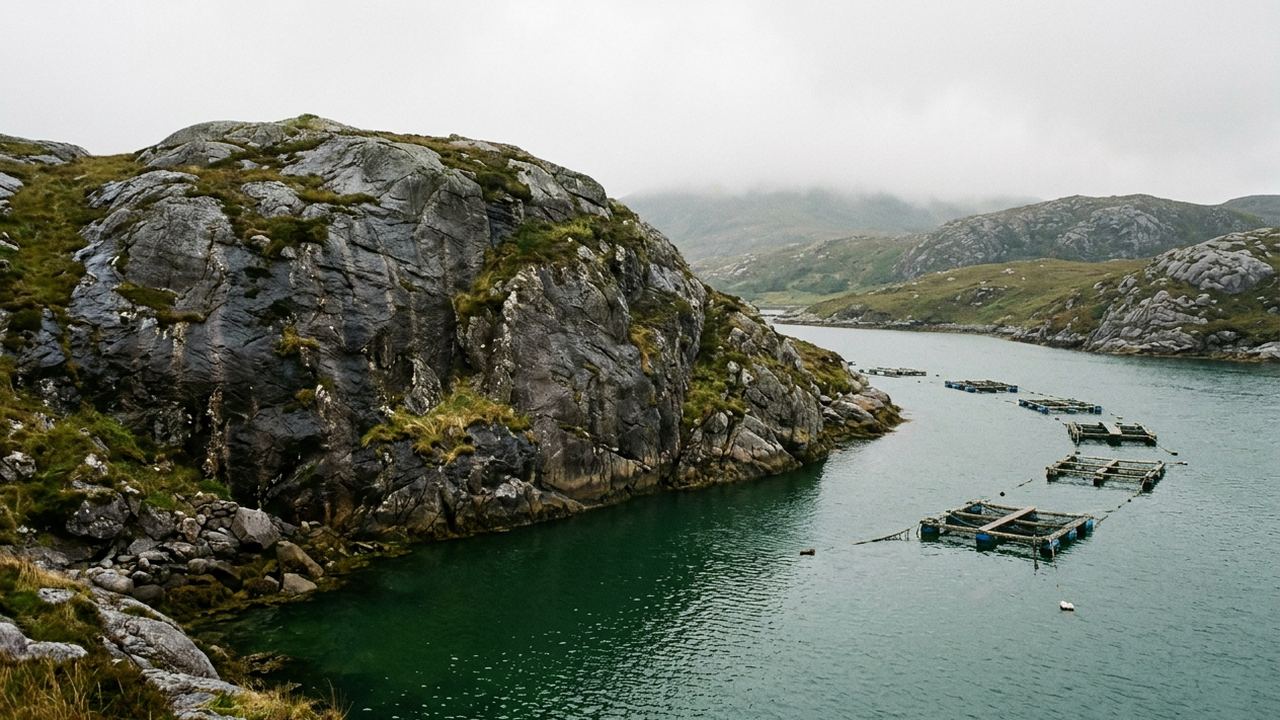
The mussel raft day is the centre of this week and it is the part we can promise least about. If the swell at the mouth of the ría is over about four feet, or the wind is above 25 knots, the skipper does not sail, and he is right not to. In eight nights there is one spare day, not two, so a cancellation in a bad week means the day is gone rather than moved. When that happens the $180 the day costs the party comes back to you and the replacement is the market, the smokehouse and a lunch, which is a good day and is not the day you booked. The island crossing has the same weather problem plus a daily cap on how many people may land, so a late request in August can be refused outright by the count rather than by us.
The other thing people misread is the price of the food. Goose barnacles are cut off surf rock by people roped to it, and in December they can reach $60 to $110 a pound in a market stall; nobody is holding them back from you, that is simply what the work costs. The two included dinners are ordered for the table because that is how the good places serve, and a solo traveller pays for a table's worth of ordering. On money generally: Quiet Quarterly takes nothing from you at any point, holds no card number and has no checkout, because the operating companies pay the office a commission after you are home. The request form below runs 24/7 and never closes; whatever arrives is read by a person before the end of that working day, and a written figure priced against your particular dates takes two to four working days, because the houses have seven and eleven rooms and both have to answer first.