Almost everybody who writes in about this apologizes first. They describe the person who will not fly as though the person were the problem to be solved, and they ask whether there is a way to talk them round. There is not, and it is not this office's business to try. What can be done is arithmetic. A party that will not board a long flight is a party working with a different map, and the useful question is which places stay on that map once you draw it honestly.
The thing people get wrong is the direction of the loss. They assume a no-fly rule mostly costs them distance, that the world simply shrinks to a circle around Rochester. What it actually costs is days, and days are the thing most people have least of. Crossing the Atlantic by sea from the northeast is a real option and it is a six or seven night crossing each way, which means a trip that would have been ten days becomes twenty four. The circle on the map is wider than people think. The calendar behind it is the part that closes.
The second thing people get wrong is treating "will not fly" as one condition. It is at least four, they behave differently, and the answer changes completely depending on which one is sitting at your kitchen table. Somebody who will not fly at all needs the whole itinerary rebuilt from the ground. Somebody who will fly for two hours but not for nine needs one leg changed and nothing else touched. Those two people get told very different things by this office, and it is worth being clear at the start which of them you are.
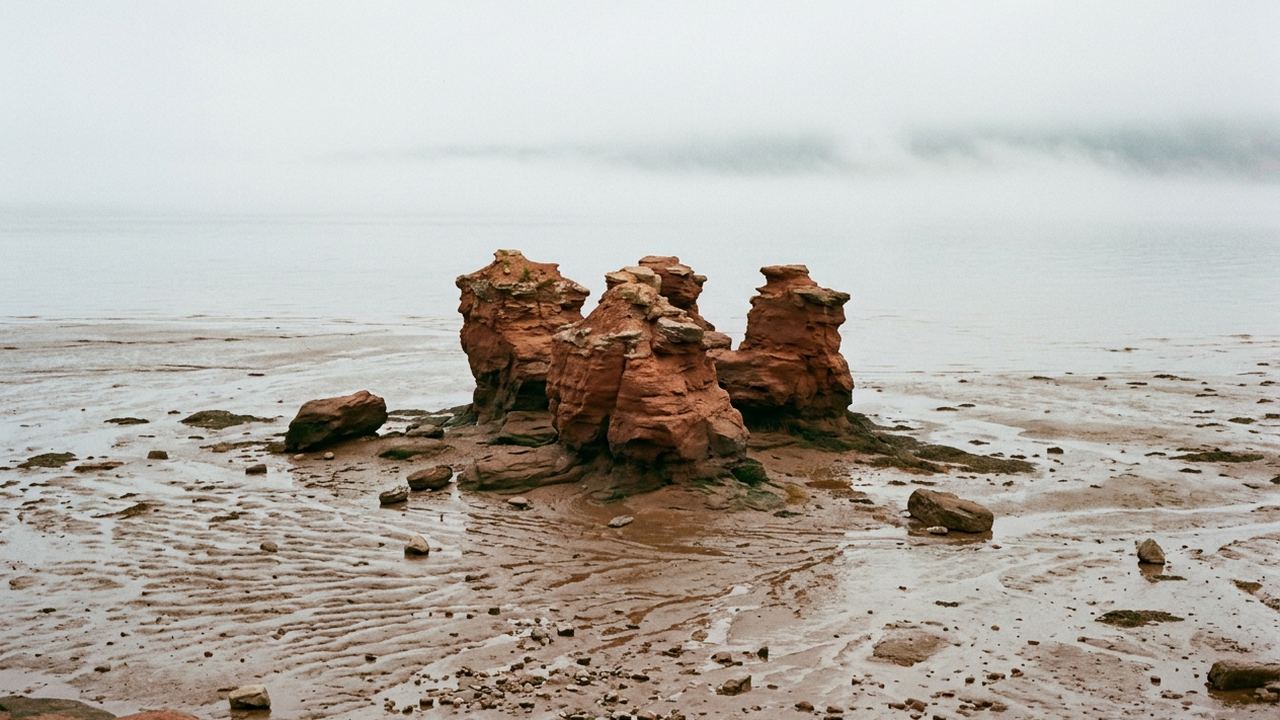
Nine nights in five towns, all of them in small inns or family run motels with private baths, moving by rental car on paved two lane road, an hour to three hours between beds, and you carry your own luggage in and out each time.
from $2,690 per person
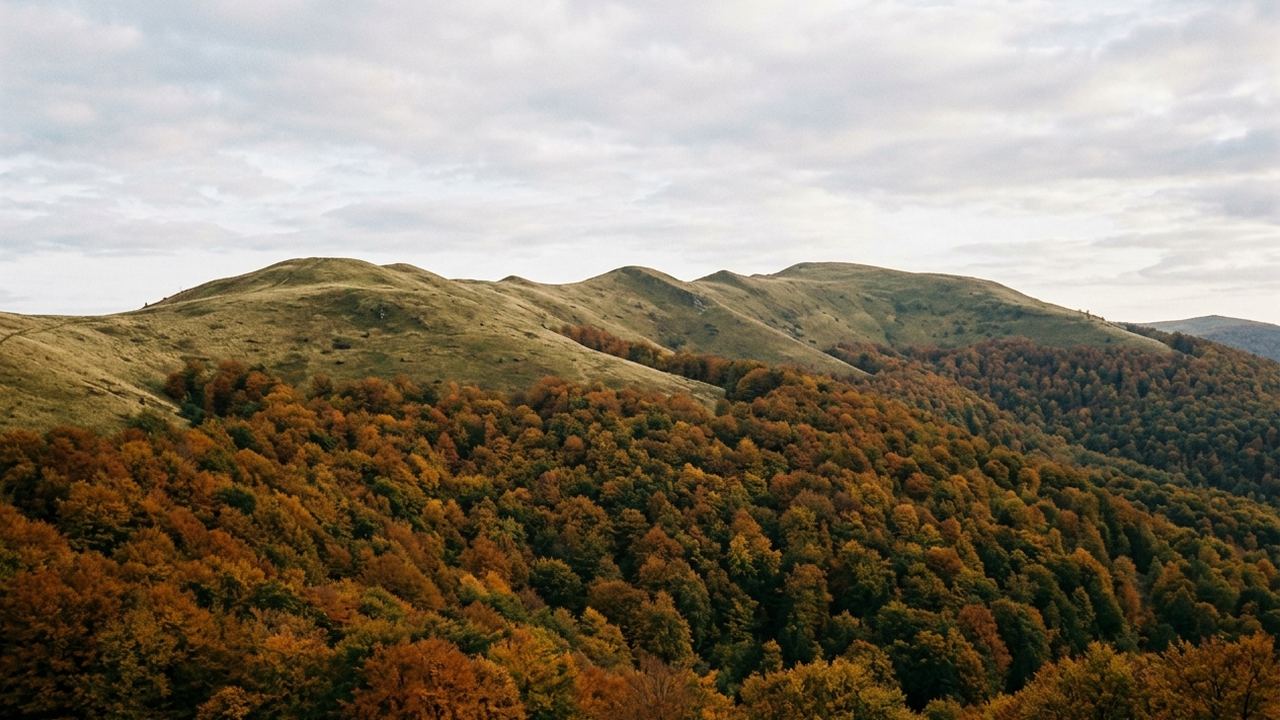
Nine nights in three family run guesthouses, three nights in each, with private rooms and shared bathrooms in two of them; you walk between valleys on marked trails while a driver takes the main luggage by road each moving day.
from $2,690 per person
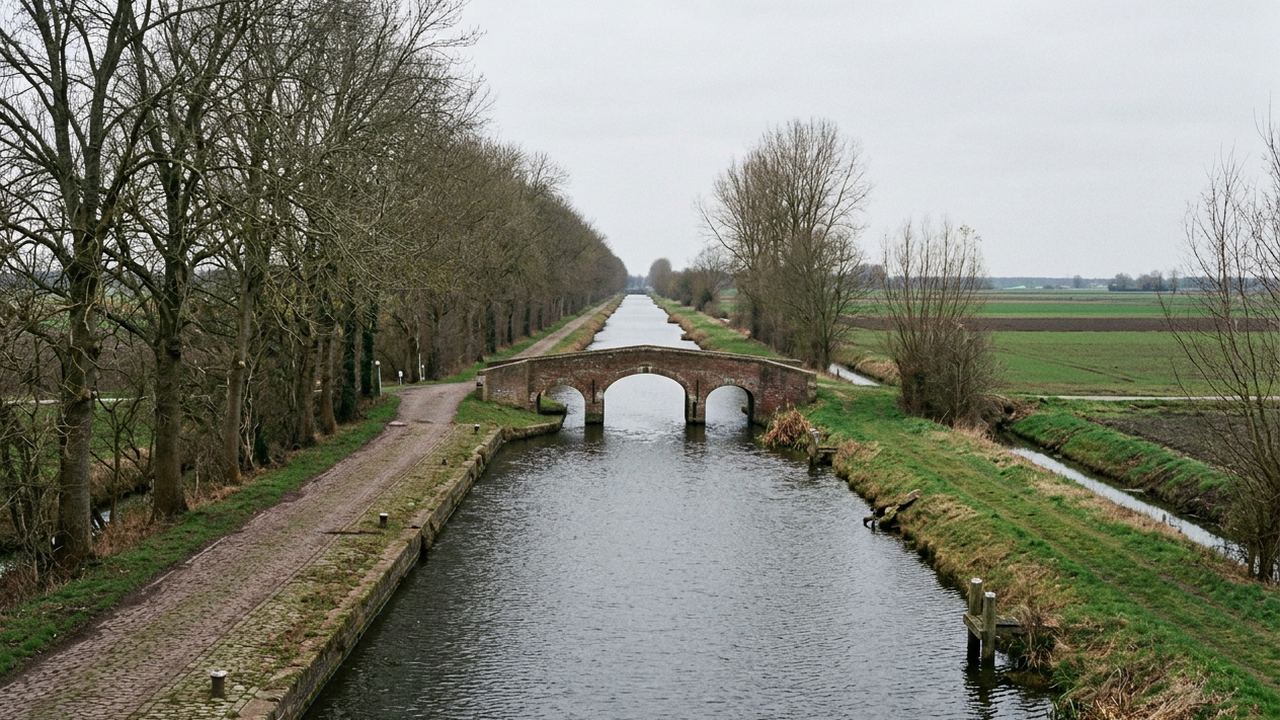
Nine nights across four towns, in family run hotels and one converted brick warehouse, moving between bases by regional train while a van carries the suitcases door to door, with rented bicycles collected and dropped at each base.
from $2,180 per person
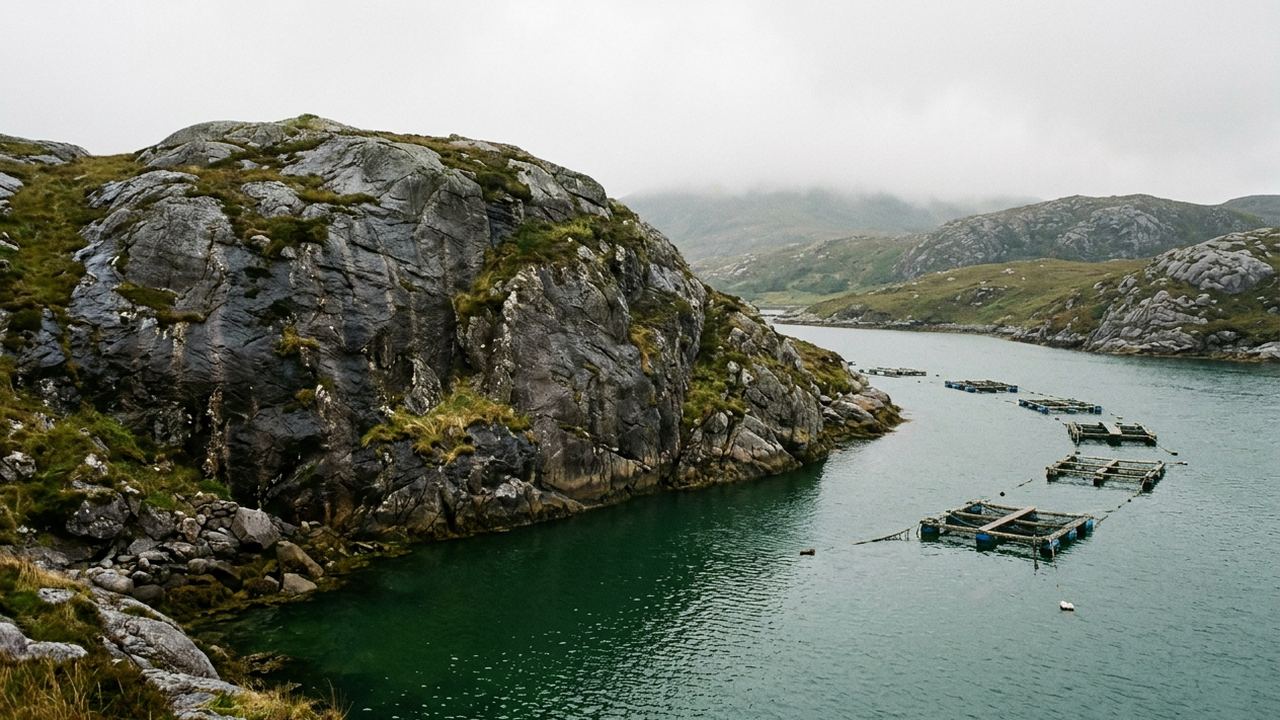
Eight nights in two places, five in a granite house above the Ría de Arousa and three in a small hotel inside the old town of Pontevedra, with a driver moving the bags once, at midday, while you are out on the water.
from $2,540 per person
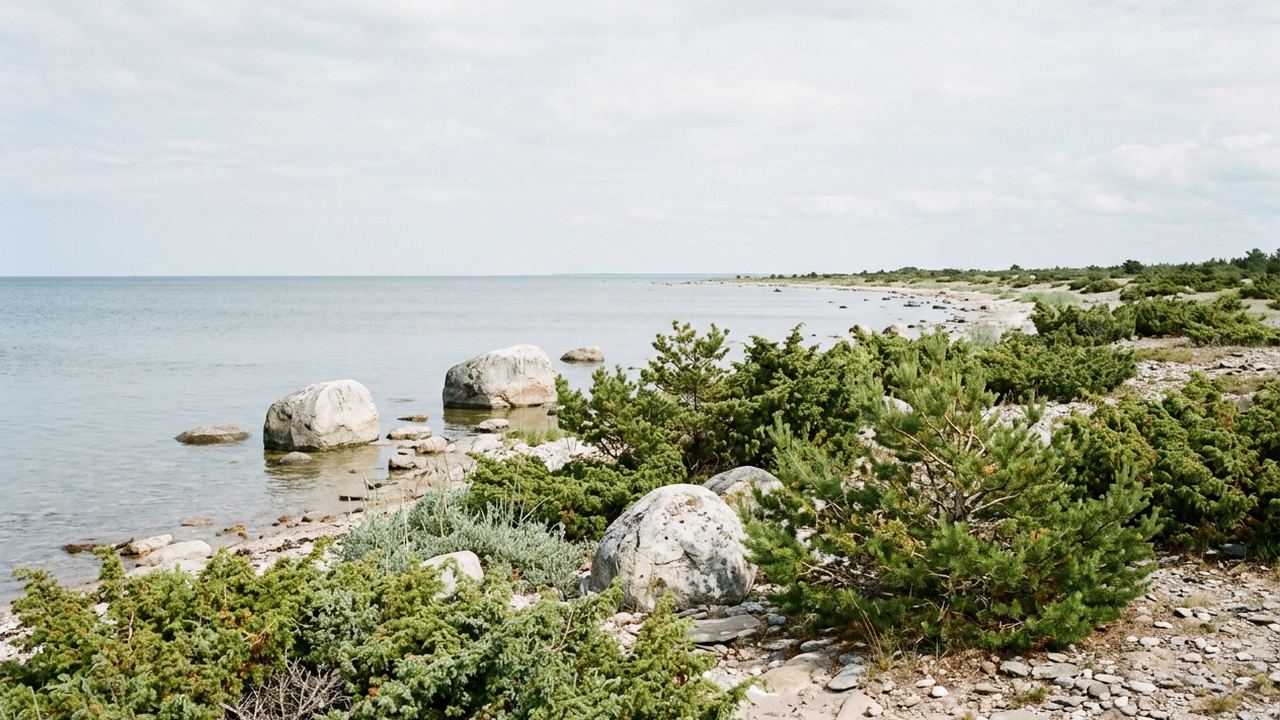
Nine nights in two guesthouses, four nights in the west near Kopu and five in the east near Kardla, both in ordinary double rooms with private bathrooms; a hired car moves the party and the bags between them, and bicycles are delivered to each door.
from $2,180 per person
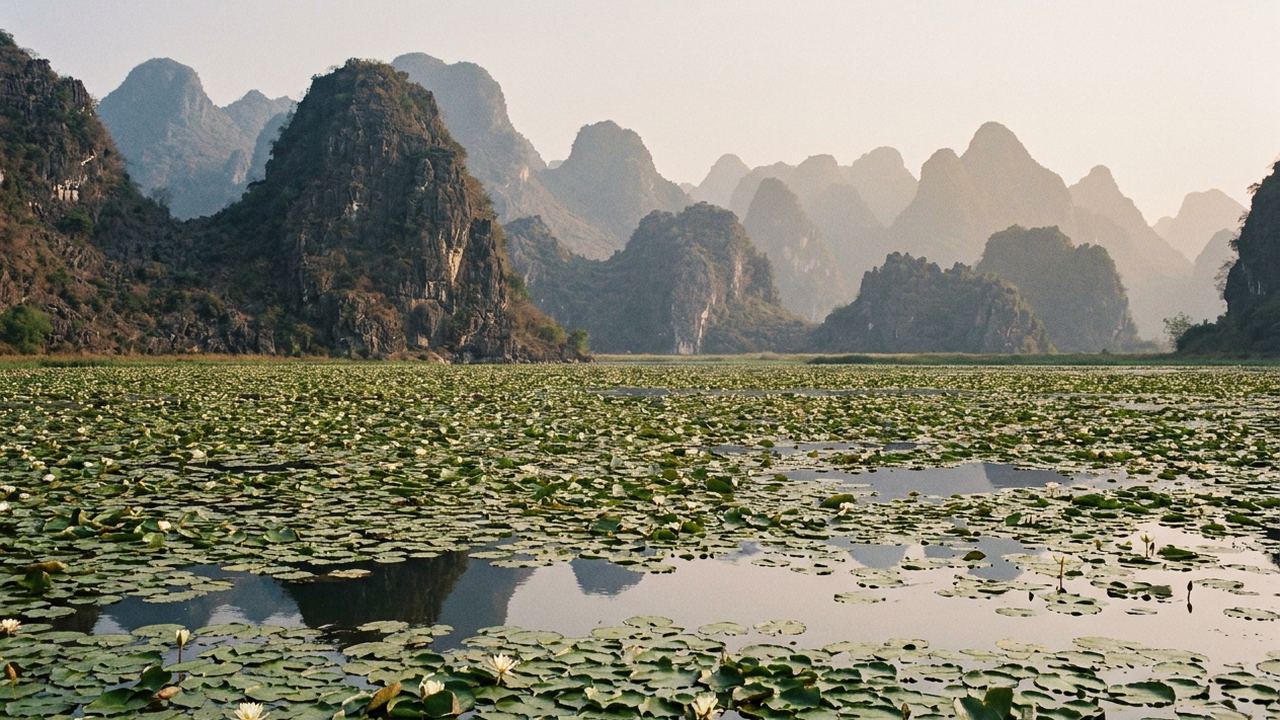
Eight nights: three in a guesthouse at Virpazar, two in a stone house at Godinje, three in family rooms at Shirokë on the Albanian shore, with a driver moving the party and the bags between them, so nothing is carried further than a staircase.
from $1,860 per person
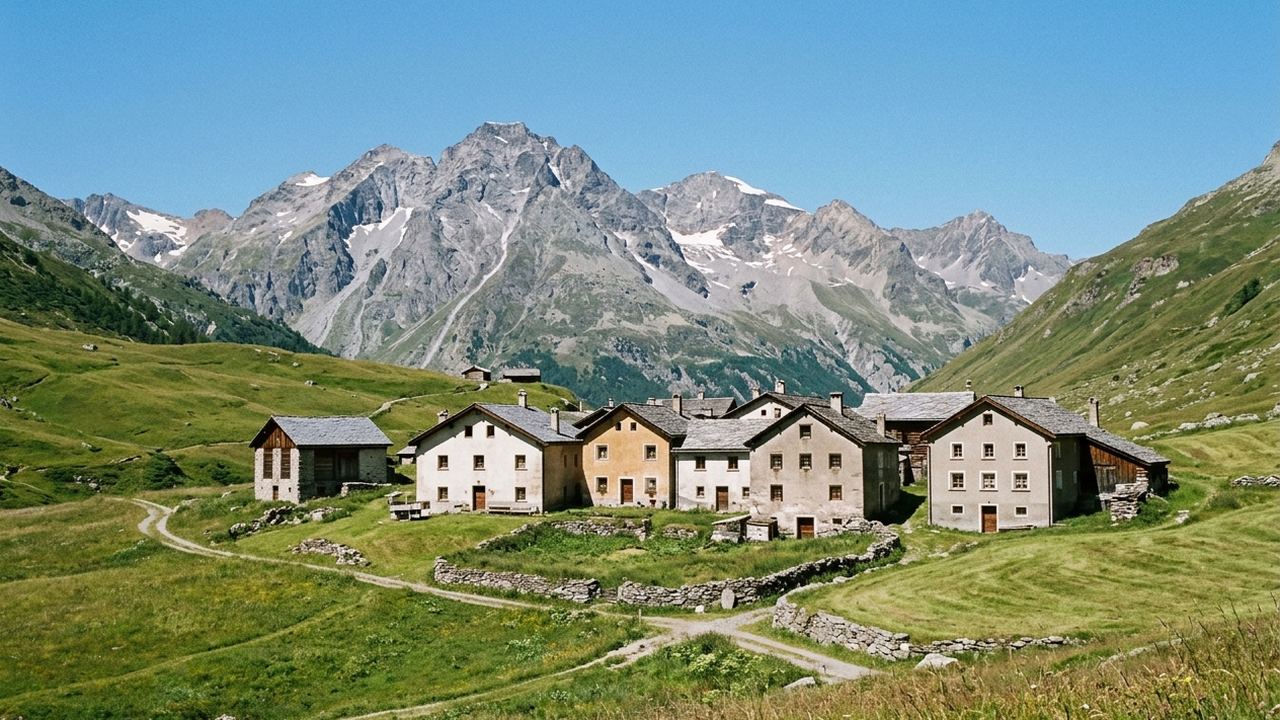
Nine nights in two villages, five in one and four in the next, in family run guesthouses with private bathrooms, moving between them by scheduled train with luggage carried by the traveller, one bag each, on a platform ramp.
from $2,780 per person
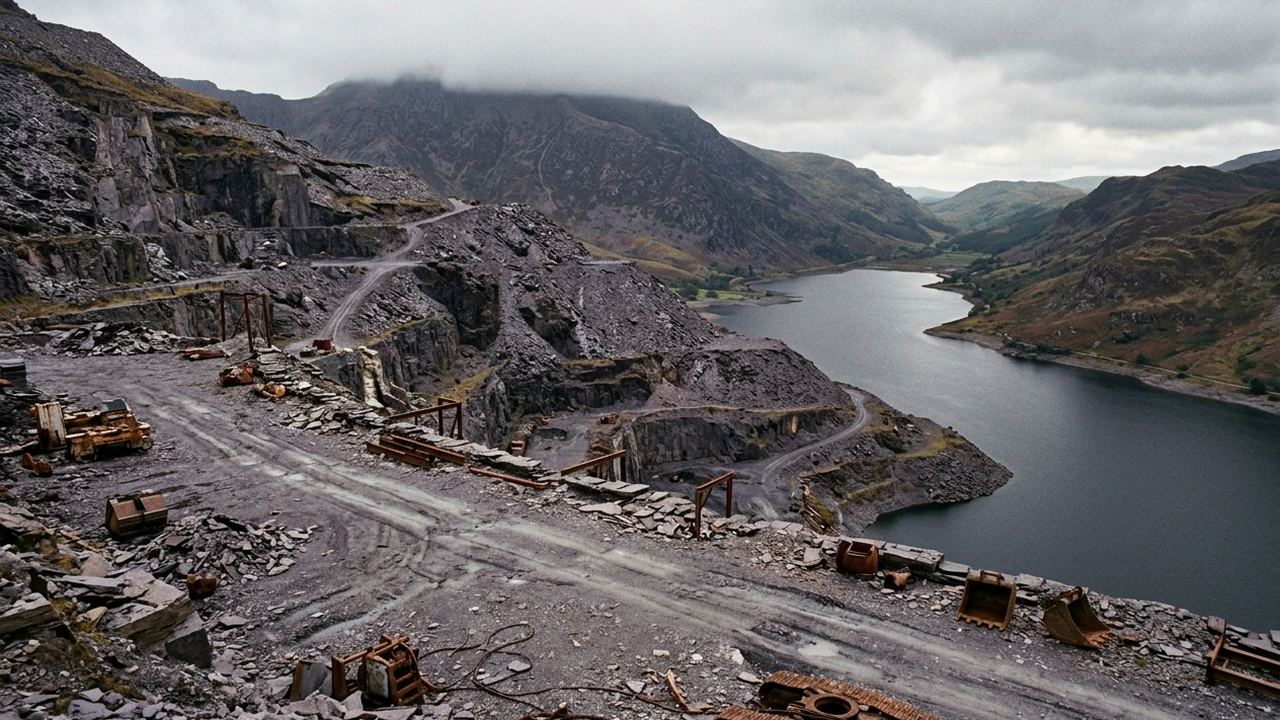
Nine nights in three towns, two in a harbor inn, four in a slate town guesthouse and three in a small coastal hotel, moving between them by scheduled narrow gauge and mainline trains, with bags carried by a local van between each base.
from $2,940 per person
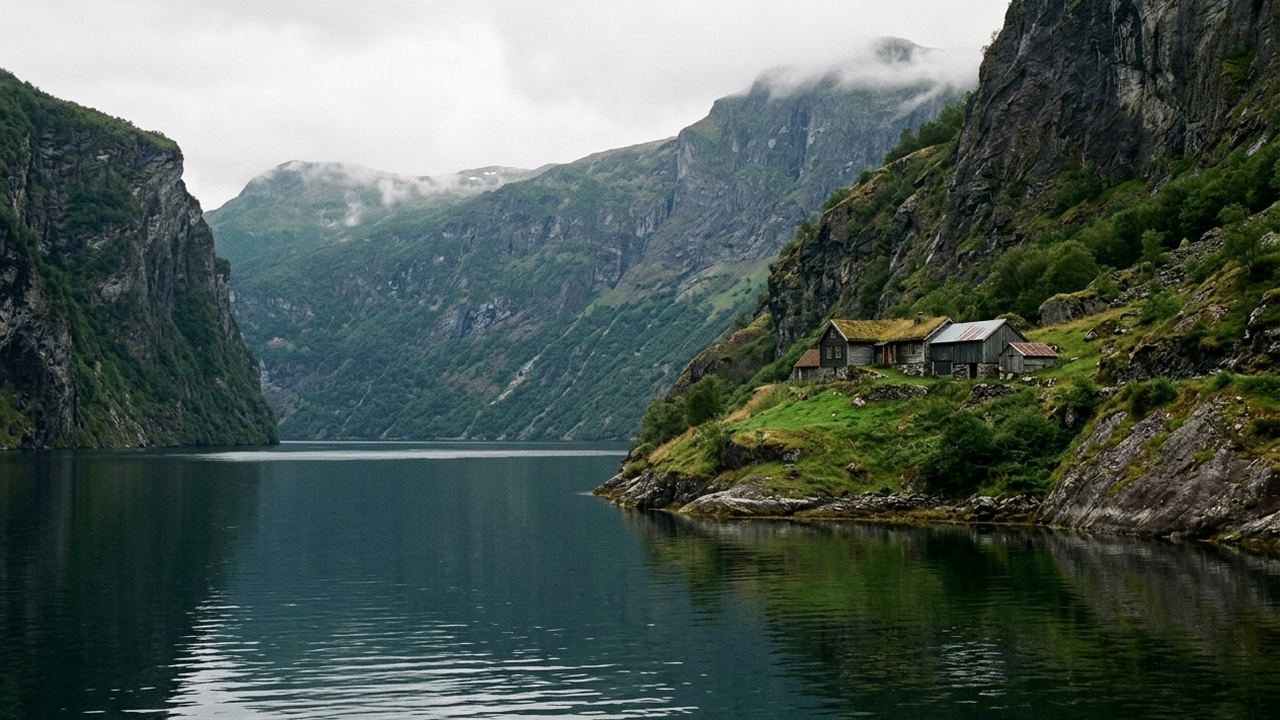
Eight nights split between a fjordside inn on the Hjorundfjord, two nights in a valley guesthouse in Norangsdalen, and two nights in Alesund, moved by car ferry and minibus, with your main bag carried between beds on the two moving days.
from $2,940 per person
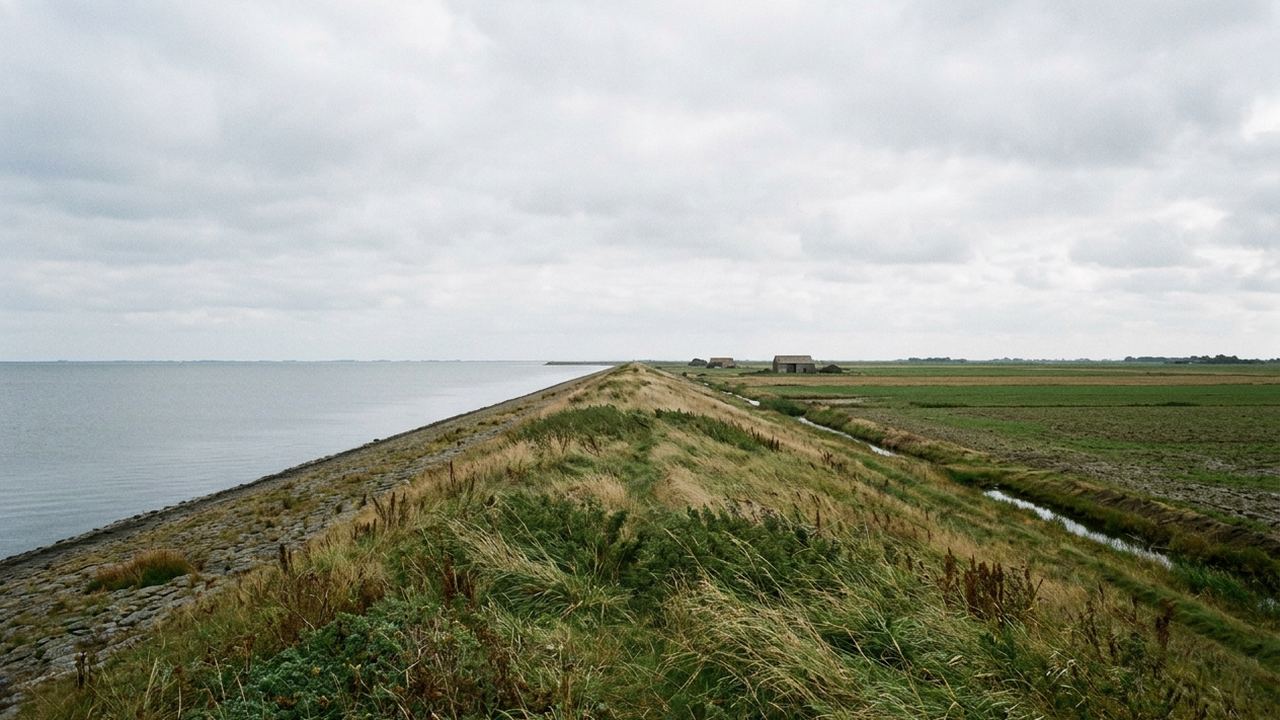
Nine nights in four family run hotels, two of them for three nights each, moving between them by bicycle on paved dyke paths of eighteen to thirty two miles a day, with the main bags driven ahead by van each morning.
from $2,240 per person
And the ones that do not, said plainly rather than left off the page:
- auvergne
- There is no way to reach central France from Rochester without a transatlantic flight of about eight hours, and no rail or sea alternative exists at any price.
- basilicata
- Basilicata is a transatlantic flight and then an hour of road, and no rail or sea route out of the United States reaches it inside a week that is worth taking.
- bucovina
- There is no way to reach Suceava from the United States without a transatlantic flight and at least one connection, usually two, and this office will not dress that up.
- epirus
- Ioannina is reached through Athens or Thessaloniki, so it is two flights from most places, and the overland alternative from a Greek port is nine hours of driving.
- karelia lakes
- Getting here without flying means five days of trains and a Baltic ferry from western Europe, and this trip does not arrange any of it.
- menorca
- Menorca is an island, and the only arrival that fits inside nine nights is a flight of roughly eight hours to the mainland and another fifty minutes over the water; the boat instead of the second leg runs overnight and takes two of your nine days.
- salzkammergut
- There is no way in that is not a transatlantic flight of at least eight hours, and nothing on this side of the water reaches Austria by sea or by rail.
- samos
- Nothing reaches this island without a transatlantic flight followed by either a second flight or eleven to thirteen hours on an overnight boat.
- west fjords
- Getting to Iceland from North America is a flight over open ocean of five to seven hours with no rail or sea alternative, so somebody who will not fly cannot reach the start of this week at all.
What the person actually means when they say no
Before anything can be quoted, one sentence has to be pinned down: what exactly is off the table. Not flying at all, not flying over water, not flying more than a certain number of hours, not flying without another adult, not flying at night. Each of these leaves a different trip standing. People are often vague about it because the topic is uncomfortable at home, and vagueness here is expensive: it produces a written figure for a trip that was never going to work.
The other half of the sentence is who is bound by it. A party of four where one person will not fly is a harder problem than a party of one, because the other three now either travel separately, which most families dislike more than they expect to, or absorb the extra days. This office has priced both. Split departures work better than people assume when the destination is reached by rail; they work badly when the surface leg is a crossing, because the flying half arrives with most of a week to fill alone.
- Will not fly at all, ever
- The whole route is surface. Realistically this means the eastern seaboard, eastern Canada, or an ocean crossing with six to seven nights at sea each way. Will fly, but under about three hours | Almost everything reopens. A short hop from Rochester or Buffalo reaches connecting points, and from there the trip can continue by rail or road. Will not fly over open water | Land routes only. Continental destinations stay available; anything requiring an ocean leg goes to sea or comes off the list. Fine outbound, not on the return | Rarer than it sounds and genuinely solvable. The return is built as a surface leg with fixed departure times, which usually adds three to six days at the end. Medical restriction with a stated limit | The limit is a number, and numbers are workable. The office does not advise on fitness to fly and will not read a letter; you bring the limit, we build inside it. One person in a party of three or more | The real decision is together or separately. Separate arrival dates cost less money and more goodwill than most people budget for. Anxiety without a fixed rule | The hardest to quote, because the rule moves. We ask for a worst case to build against, not a hope.
The overnight leg that people believe in and should not
The most common thing suggested to us is the sleeper: put the reluctant flyer on a night train, they sleep through it, everyone meets in the morning. It is a lovely idea and it fails in a specific, boring way. Long-distance overnight rail out of the northeast keeps schedules that were written around freight priority, and a booked arrival time is a target rather than a promise. Being two hours late matters very little on the first day of a two week trip. It matters enormously when the next thing is a fixed departure that will not wait, and connecting a delayed overnight arrival directly to a scheduled surface departure is the single most common way these itineraries break.
So the sleeper is not banned here, it is simply never allowed to carry the weight of a connection. Where it is used, there is a full day of slack on the far side of it, and that day has to be paid for and spent somewhere. Anyone telling you the overnight is a free substitution for the flight is handing you a risk without naming it and calling it a saving. The other non-solution worth naming is the very long drive: parties routinely propose fourteen hours behind the wheel over two days, and just as routinely arrive at the start of their trip too tired to do the first three days of it.
And there are trips where none of this works. Some places on our list cannot be reached without a long flight, and no arrangement of rail, sea, road or short hop changes that. When you ask about one of them, you will be told so in the first reply, in plain words, before anyone starts pricing anything. This office would rather lose the booking than build you a nine day itinerary around a flight somebody has already said they will not take.
What happens between your message and a number
Write in and say the constraint in one sentence, along with the dates you have and how many people are in the party. It does not need to be tidy. The request form runs 24/7 and never closes, and whatever arrives is read by a person before the end of that working day. If what you have described cannot be done at all, the reply saying so comes back at the same speed as any other, because that answer is worth more to you early than late.
If it can be done, the question goes out in two halves, because it is two bookings and not one. The surface leg goes to the operating company that runs it, with your exact dates, and the rest of the trip goes to the company running that. Both have to say yes to the same calendar before there is anything to tell you. That is why a written figure priced against particular dates takes two to four working days rather than an afternoon: we are waiting on other people's availability, and we would rather wait than quote you a number that moves. The figure names the surface leg separately, so you can see exactly what the no-fly rule cost in dollars and in days. No payment is taken here at any point, and there is no card number to give: this office places the reservation with the company that operates the trip, and is paid by that company afterward.